
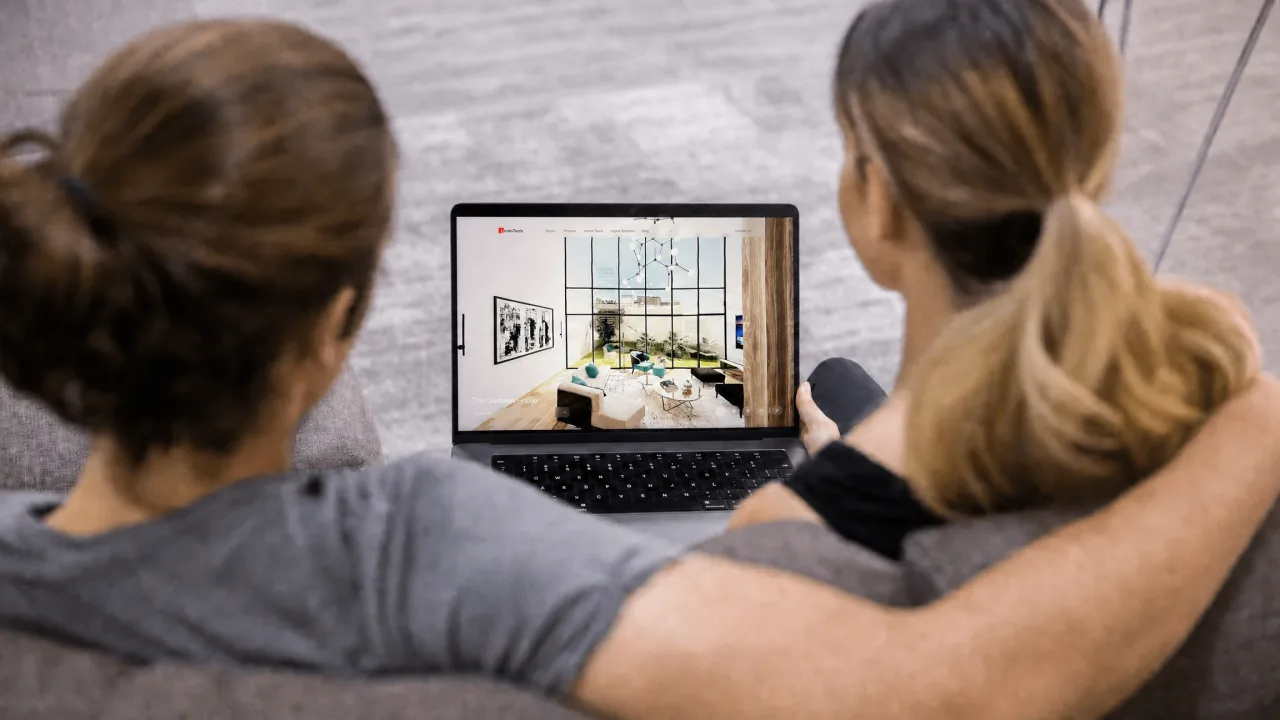
Designed for the full experience.
Showcase detailed project visuals, immersive tours, and studio content with clarity on larger screens.

Custom websites, integrated 360° virtual tours, SEO, and tailored digital tools built around the way architecture and design studios work.
Your website should do more than host a portfolio. We create custom digital experiences that help architecture and design studios showcase their work clearly, communicate their expertise, and build confidence with prospective clients. From structured project pages to interactive features, every part of the website is developed around your studio's identity, services, and business goals.
Showcase detailed project visuals, immersive tours, and studio content with clarity on larger screens.
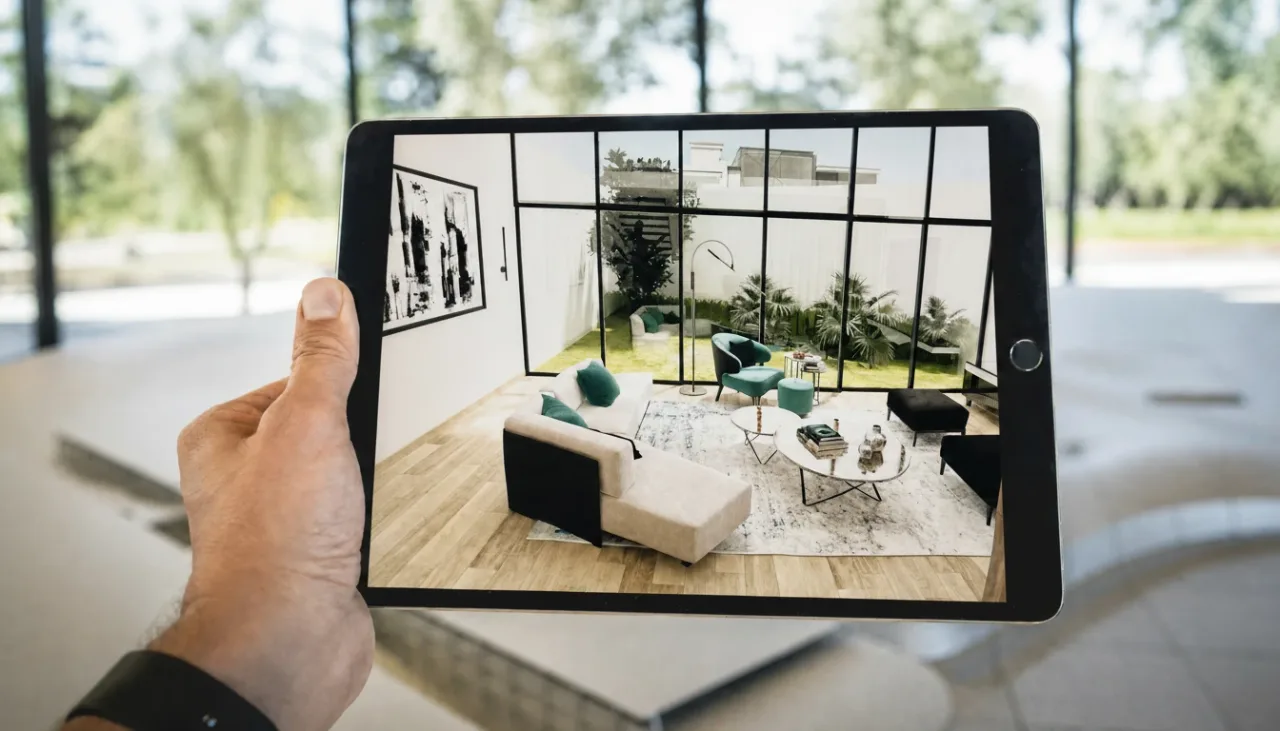
Layouts adapt smoothly for browsing projects, navigating virtual tours, and reviewing content on tablet devices.
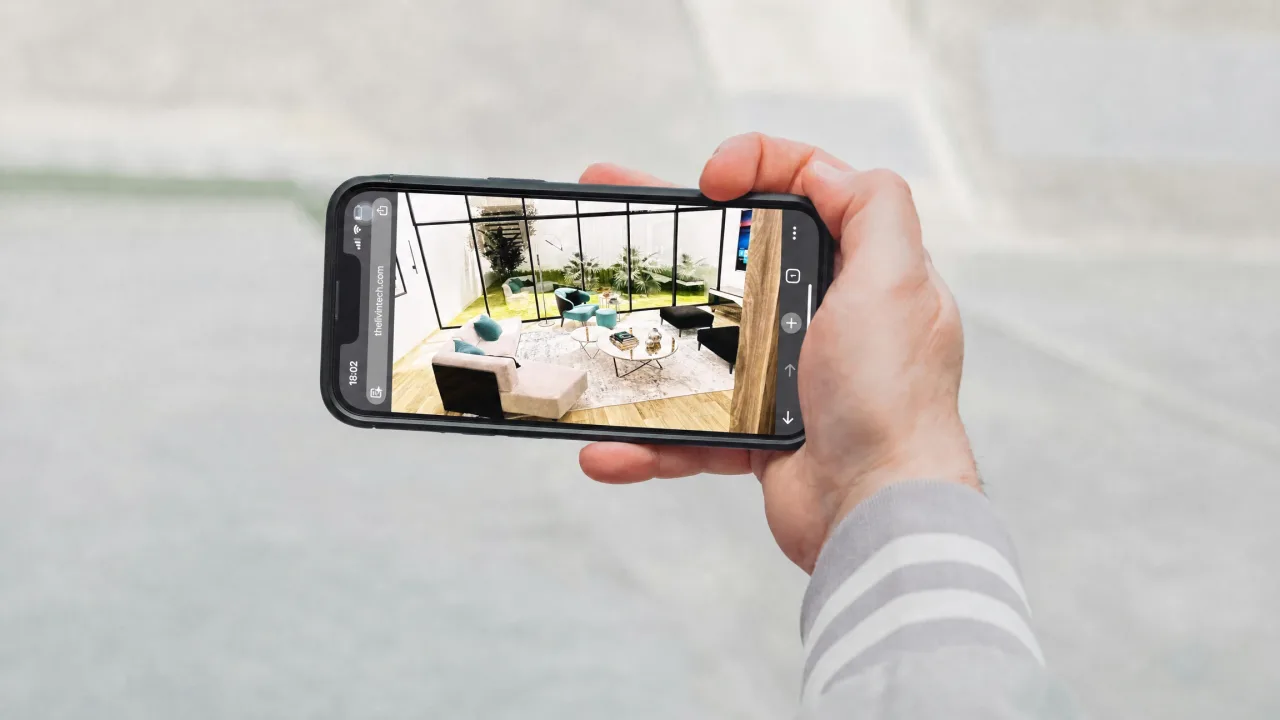
Fast, intuitive, and easy to navigate, giving visitors a polished experience wherever they discover your studio.
Most virtual tour platforms keep your projects tied to recurring subscriptions, platform limits, and proprietary hosting. We develop virtual tour experiences as part of your own website, giving you control over the source code, presentation, content, and future development.
Learn more: Immersive ExperiencesA well-designed website is most valuable when the right people can find it. We support studios with technical SEO, keyword research, content strategy, and optimization for service, project, and article pages. Rather than treating SEO as an afterthought, we consider search visibility as part of the website's structure and long-term growth.
Learn more: SEO & Digital GrowthSome studios need more than a conventional website. We can develop tailored digital tools, AI-assisted features, and workflow automations that support internal processes, content management, project presentation, or client communication. These solutions are defined around specific operational needs rather than packaged as generic software.
Learn more: Tailored Digital ToolsWe develop custom 360 virtual tour websites that help architecture and design studios present projects as immersive, interactive experiences across desktop, mobile, and, where appropriate, VR devices.
Rather than showing a project only through static portfolio images, visitors can move between panoramic viewpoints, explore spaces, and engage with additional project information directly within the studio’s website.
Depending on the project, the website may also include:
Company profile and service pages
Project portfolios and case studies
Interactive 360-degree project tours
Floor plans and navigation hotspots
Image galleries and project information
Material, furniture, or design-detail annotations
Contact and enquiry forms
A content management system for updating projects
Beyond virtual tour websites, we may also develop AI-assisted internal tools, process automation, and tailored software for selected studio workflows.
It includes the essential elements of a professional architecture or design studio website, such as the company profile, services, portfolio, project pages, and contact information.
The main difference is that selected projects can be showcased through integrated 360 virtual tours. This gives visitors a more spatial and interactive way to experience the studio’s work than a conventional image-based portfolio alone.
The virtual tour is developed as part of the website itself rather than added as a separate external product.
A virtual tour is created from a collection of 360-degree panoramic images. Visitors can look around each viewpoint and move between connected spaces through interactive navigation points.
Depending on the project, the experience may also include:
Navigation between rooms or viewpoints
Floor-plan navigation
Informational hotspots
Image and text pop-ups
Material or product details
Before-and-after views
Alternative lighting or design states
Links to related project content
Full-screen viewing
Mobile motion controls
The final feature set is defined according to the project assets, presentation goals, and website scope.
Yes. We can provide a content management system that allows your team to manage agreed website content without editing code.
Depending on the project, your team may be able to:
Add new portfolio projects
Upload images and project information
Edit company and service pages
Publish articles or insights
Manage SEO fields
Add or update virtual-tour scenes
Configure navigation points and project hotspots
The exact editing capabilities depend on the website scope and the level of control your team requires.
We primarily build custom websites tailored to the studio’s brand, portfolio structure, visual direction, and virtual-tour requirements.
We may use established frameworks, libraries, and technical components as part of the foundation, but the website and interactive experience are developed around the studio rather than assembled from a generic architecture template.
This is particularly important for virtual tours because navigation, content, floor plans, hotspots, and project presentation may differ significantly between studios.
For custom website development projects, the client receives the full source code for the completed website after full payment, subject to the terms of the project agreement.
The client may also receive the agreed project files, documentation, and deployment materials required to operate and maintain the website.
Third-party components remain subject to their own licenses and terms, including:
Open-source libraries
Fonts
Licensed images and assets
External APIs
Hosting platforms
Third-party software and services
Any proprietary LivinTech tools or reusable components included under a license rather than transferred in ownership will be identified clearly before the project begins.
We can help configure the hosting environment, domain, DNS, deployment workflow, analytics, and other launch requirements depending on the project.
The website may be deployed to infrastructure managed by your studio or to another agreed hosting environment. The exact deployment responsibilities are confirmed before development begins.
We help architecture and design studios improve their organic visibility through a combination of technical SEO, content strategy, on-page optimization, and performance analysis.
Depending on your studio’s goals, our services may include:
Technical SEO audits
Keyword and search-intent research
Website structure planning
Service-page optimization
Portfolio and project-page optimization
Blog and editorial strategy
SEO content production
Internal linking
Metadata and structured data
Website performance improvements
Search analytics and reporting
Local or international SEO strategy
Our approach is tailored to the way prospective clients search for architecture, interior design, visualization, and related professional services.
No. We can work with websites built by LivinTech or by another team.
When working with an existing website, we first review its:
Technical foundation
Content structure
Current search performance
Indexing status
Page speed
Content-management system
Existing service and portfolio pages
Ability to implement recommended changes
Some improvements can be made within the existing system. Others may require support from your current developer or a technical rebuild if the website has significant limitations.
We commit to high-quality work, clear priorities, transparent reporting, and straightforward communication throughout the engagement. We track performance, explain what is changing, and refine the strategy based on the results.
SEO outcomes such as specific rankings, traffic levels, or numbers of enquiries are influenced by competition, website history, search-engine updates, and user behaviour. Because these factors cannot be fully controlled, we do not promise a fixed outcome.
Our focus is on building the technical, content, and strategic foundations that support sustainable search visibility over time.
SEO is generally a long-term growth channel rather than an immediate source of results.
The timeline depends on factors such as:
The current condition of the website
Existing authority and visibility
Competition
Market size
Content quality
Publishing consistency
Technical implementation
The types of searches being targeted
Some technical improvements may have an effect relatively quickly, while competitive service keywords and broader organic growth may take considerably longer. We establish priorities and track progress, but we do not promise a fixed timeline for rankings or enquiries.
Yes, although this is a secondary service offered for selected studio requirements.
We may develop:
Client portals
Internal dashboards
Project-content systems
Approval tools
Searchable internal knowledge systems
AI-assisted workflow tools
Reporting systems
Custom integrations
Process automation
We begin by understanding the studio’s current process, users, constraints, and desired outcome before proposing a technical solution.
Yes, for selected projects. We can develop internal tools that use AI to support repetitive, information-heavy, or administrative workflows.
Examples may include:
Preparing draft project descriptions
Extracting structured information from project documents
Organizing project and image metadata
Searching internal studio documents
Summarizing client feedback
Classifying enquiries
Preparing content for review
Supporting website and portfolio publishing
AI-assisted tools are designed to support the studio’s team. They do not replace professional design judgment, client approval, or regulated architectural decision-making.
Process automation uses software to reduce repetitive manual work and connect the tools used by your studio.
For example, when a prospective client submits an enquiry form, an automated process could:
Store the enquiry in a database or CRM
Notify the appropriate team member
Create a follow-up task
Send a confirmation email
Organize submitted files
Add the enquiry to an internal reporting system
Other possible automations include:
Creating project folders during onboarding
Sending reminders for missing information
Routing requests to the correct person
Synchronizing data between systems
Supporting approval workflows
Preparing recurring reports
Moving approved project content into the website CMS
The appropriate solution may use automation platforms, third-party integrations, custom APIs, or dedicated software.
We can provide ongoing technical support after launch through a recurring maintenance plan or through separately requested assistance.
Support may include:
software and dependency updates,
security maintenance,
backups and monitoring,
bug fixes and troubleshooting,
content-management support,
integration maintenance,
deployment assistance,
minor feature improvements,
small workflow adjustments.
The appropriate arrangement depends on how critical the website, tool, or workflow is to your operations and how frequently it is expected to change.